Introduction: The Timeless Guardians of Hindu Traditions
Imagine a world where ancient wisdom and modern life seamlessly intertwine. Who are the custodians ensuring this continuity? Enter the Indian Pandit—scholars, spiritual guides, and custodians of sacred traditions. Whether performing intricate Vedic rituals or officiating at modern ceremonies, the role of the Vedic Pandit has undergone a fascinating transformation over the centuries. But how did this journey unfold? Let’s explore the evolution of Indian Pandits, from their revered status in Vedic times to their modern-day significance.
1. The Vedic Pandit: Custodian of Sacred Knowledge
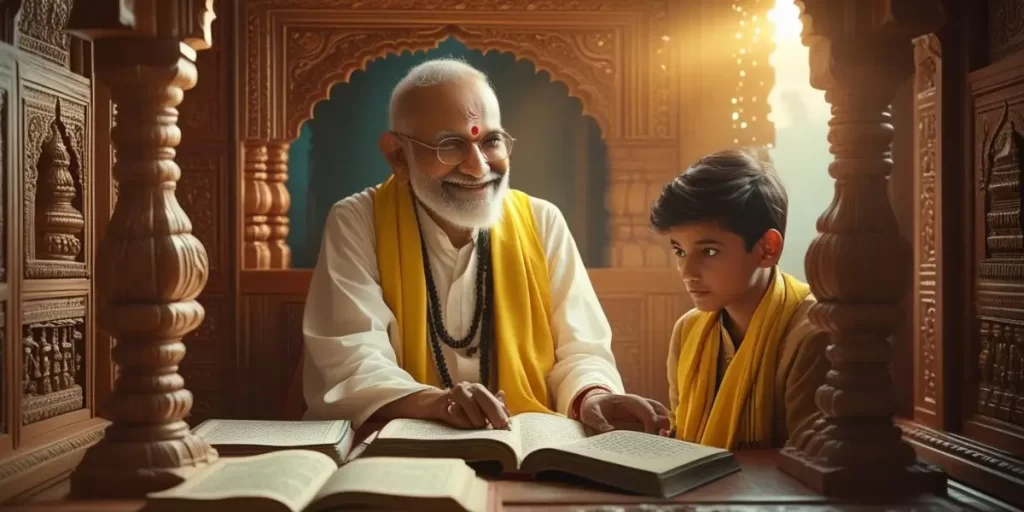
Long before temples and elaborate ceremonies, the role of a Pandit was defined in the Vedic era. During this time, Vedic Pandits were not merely priests but scholars who preserved and transmitted sacred knowledge through oral traditions.
Roles and Responsibilities in Vedic Society
- Memorizing and reciting the four Vedas—Rigveda, Yajurveda, Samaveda, and Atharvaveda.
- Conducting yajnas (fire rituals) to appease the deities and maintain cosmic harmony.
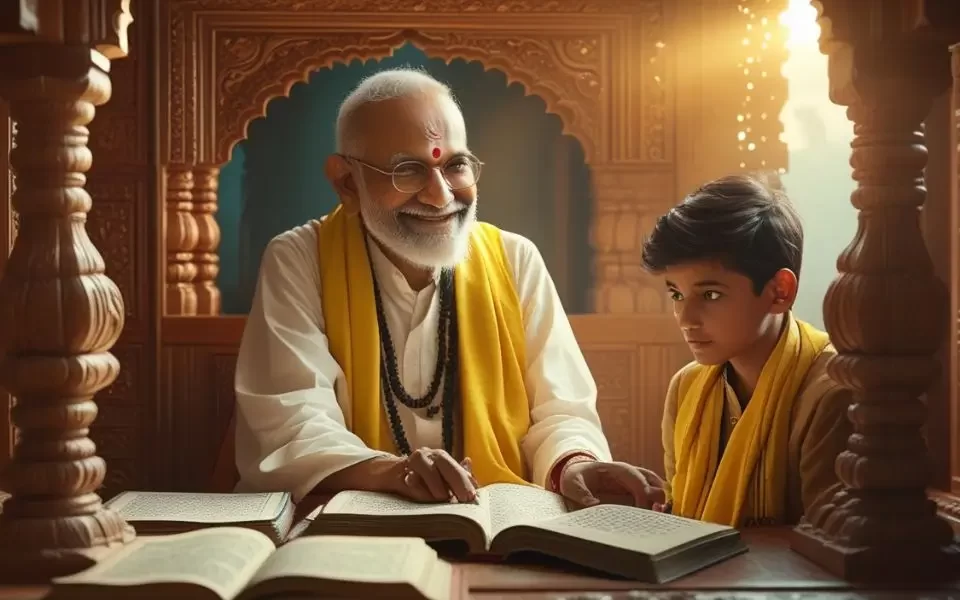
- Teaching students in gurukuls (ancient learning institutions), ensuring the unbroken lineage of sacred knowledge.
- Acting as advisors to kings, influencing governance and ethical decision-making.
Back then, being a Pandit was not a mere profession—it was a lifelong pursuit of wisdom, discipline, and spiritual mastery.
2. The Pandit’s Role in Classical Hindu Society
As Hindu civilization evolved, so did the role of Pandits. The emergence of temples and organized religious practices saw Pandits taking on new responsibilities beyond Vedic recitations.
Key Developments
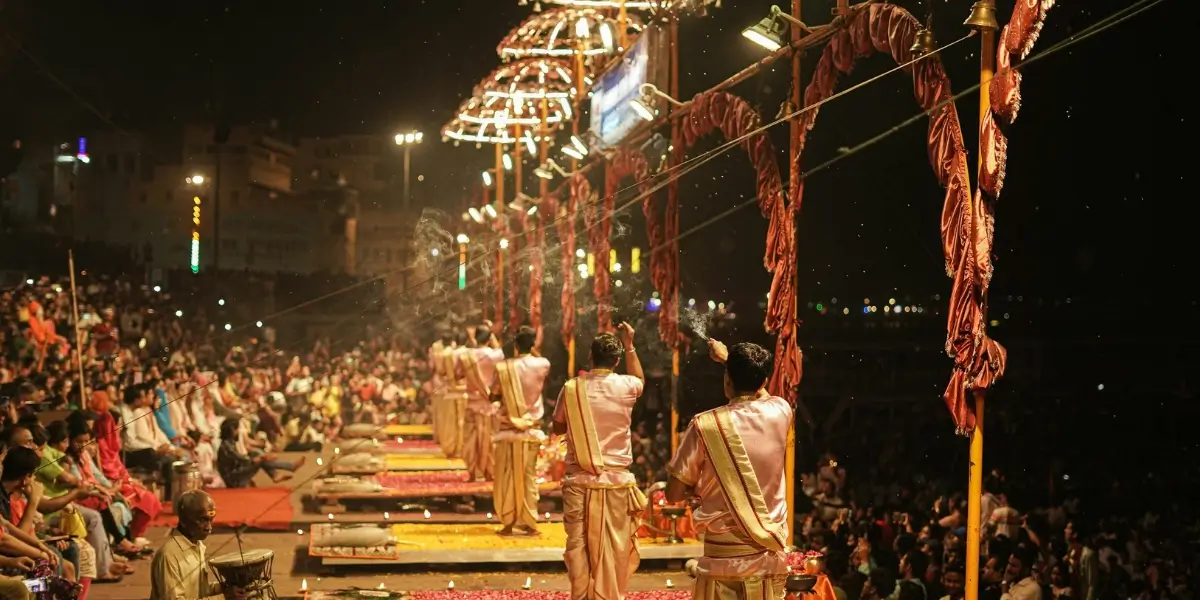
- The establishment of temples gave Pandits a central role in conducting daily rituals, festivals, and spiritual discourses.
- Sanskrit scriptures like the Puranas and Upanishads became an integral part of religious teachings.
- Pandits were sought after for astrology (Jyotish), matchmaking, and determining auspicious times (muhurat) for important life events.
This period saw the Indian Pandit transition from a purely scholarly figure to a more socially engaged religious guide.
3. Colonial Era and the Challenges for Indian Pandits
The arrival of colonial rule in India marked a challenging era for Pandits. Western education, missionary influences, and political changes disrupted the traditional role of Vedic scholars.
Major Impacts
- The British education system favored English and modern sciences, leading to a decline in Sanskrit learning.
- Many Pandits struggled economically as temple donations dwindled and royal patronage declined.
- Hindu reform movements, such as the Arya Samaj and Brahmo Samaj, sought to modernize rituals, reducing the need for elaborate ceremonies.
Despite these challenges, Pandits continued their practices, often adapting to the changing landscape while maintaining their spiritual integrity.
4. The Modern Indian Pandit: Balancing Tradition and Contemporary Life
Fast forward to today, and the role of Pandits has diversified like never before. While some continue traditional roles in temples and religious institutions, others have adapted to modern society’s demands.
How Today’s Pandits Stay Relevant
- Many Pandits offer online puja services, catering to the global Hindu diaspora.
- Pandits are now involved in life coaching, guiding people through astrology, meditation, and Vastu Shastra.
- They actively participate in social causes, conducting ceremonies for environmental awareness and community well-being.
Technology has allowed the ancient knowledge of Vedic Pandit to reach every corner of the world, bridging the gap between tradition and modernity.
5. The Future of Indian Pandits: Where Do We Go from Here?
As Hindu traditions continue to evolve, what lies ahead for the Pandit community?
Predicted Trends
- Digitization of Rituals: Virtual ceremonies, live-streamed pujas, and online astrology consultations will become more common.
- Revival of Sanskrit Studies: With increasing interest in Vedic knowledge, Sanskrit learning is gaining popularity among young scholars.
- Eco-Conscious Rituals: Sustainable and eco-friendly practices in religious ceremonies will redefine traditional methods.
Conclusion: The Eternal Flame of Knowledge
From Vedic scholars to contemporary spiritual guides, Indian Pandits have stood the test of time. They have adapted, evolved, and embraced change while preserving the essence of Hindu traditions. Whether you seek wisdom, spiritual guidance, or cultural continuity, Pandits remain an indispensable part of Hindu society.
Curious about how a Pandit can guide your spiritual journey? Explore the timeless wisdom they offer and discover the traditions that have shaped Hindu culture for millennia.
We Offer These Services In Dubai
| Astrologer in Dubai | Vastu Consultant in Dubai | Pandit in Dubai |