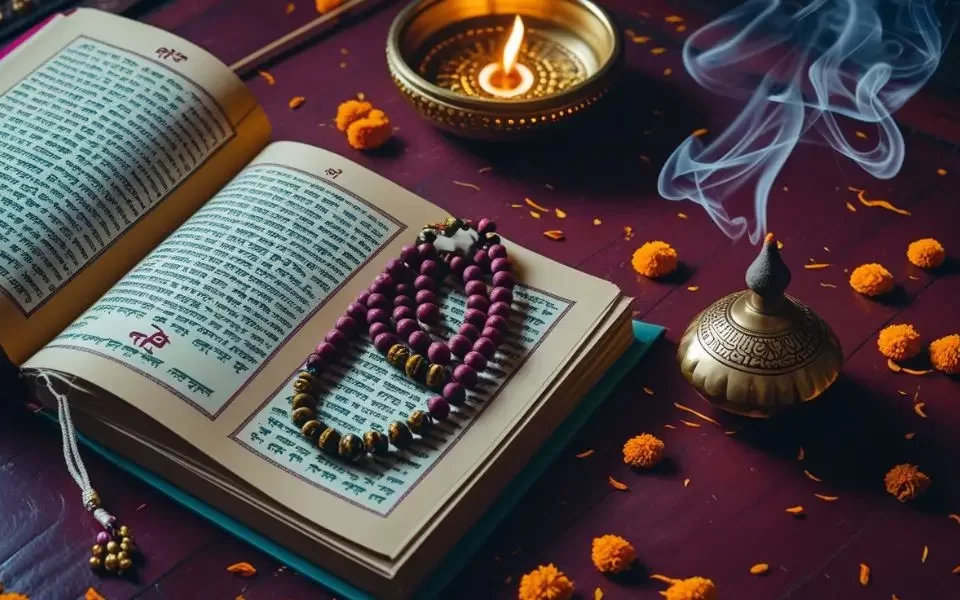
Have you ever looked at a brass diya or a copper Kalash and wondered, “Why do we still use these in the age of air fryers and smart homes?” I mean, sure, they look fancy—but do they really matter?
Well, sit tight, because what you’re about to discover will make you see your humble puja thali in a whole new light.
When Metal Meets Mantra: Why Puja Vessels Aren’t Just Decor
Let’s rewind a bit—picture your grandmother’s puja room. There was always that specific bell only she rang, a copper vessel she never let anyone else touch, and a thali that practically sparkled during every festival.
Now, she wasn’t just being particular. She was following ancient spiritual logic.
Puja vessels, or what many call spiritual tools, are not just about ritual—they’re about resonance. These sacred items are designed to hold, channel, and magnify energy. That’s why your professional pandit doesn’t just show up with any plate from the kitchen—he brings his own well-prepared puja kit, like a spiritual surgeon with custom tools.
The Sacred Materials: What They’re Made Of (and Why It Matters)
Let’s talk metal. Because not all vessels are created equal.
Copper: The Energy Conductor
Used for: Kalash, Panchapatra, small pots for water or milk
Copper is believed to absorb sattvic (pure) energy and is known for its antibacterial properties. In the world of puja items, it’s the go-to metal for water vessels because it energizes and purifies the content.
Brass: The Strength-Giver
Used for: Diya stands, bells, thalis
Brass is a combo of copper and zinc, and it brings balance—spiritually and energetically. Lighting a brass diya isn’t just about tradition—it’s about invoking strength, clarity, and protection.
Silver: The Mind-Soother
Used for: Aarti plates, idols, sometimes Panchapatra
Silver carries lunar energy, which is cooling, calming, and nurturing. Perfect for spiritual activities that require inner silence and emotional healing.
Ever wonder why most pandits prefer specific materials for each ritual? That’s because these puja vessels are selected based on what kind of energy each one needs to channel.
The Holy Tools: Common Puja Vessels and Their Deeper Meanings
Let’s lift the curtain on some of the most widely used puja items and what they actually symbolize.
Diya – The Light Within
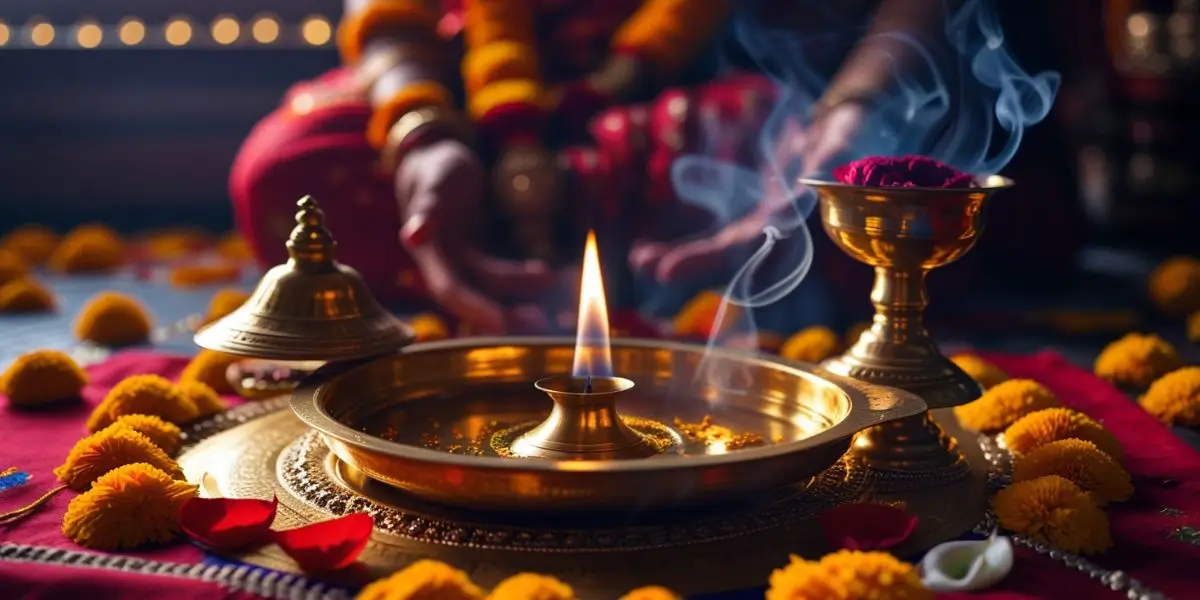
Lighting a diya is one of the most recognizable Hindu rituals. But beyond the visual beauty, a diya represents knowledge, clarity, and the burning away of ego. A cotton wick dipped in ghee, glowing in a brass lamp, isn’t just tradition—it’s transformation.
Kalash – The Sacred Pot of Creation
Usually filled with water, topped with mango leaves and a coconut, the Kalash symbolizes abundance, fertility, and the womb of creation. It’s often placed at the heart of the altar, literally representing divine presence.
Panchapatra and Pali – The Duo of Purity
This pair is used for holding and sipping sanctified water before beginning a puja. It’s not a random set of utensils—it’s about purification, intention, and alignment.
Ghanti (Bell) – The Sound of the Divine
The ringing of a bell isn’t just ceremonial. It’s said to awaken the inner self, drive away negative energies, and signal your readiness to engage with the divine.
Camphor & Incense Holders – Smoke Signals to the Universe
When you light camphor or incense, it’s not just for fragrance. The rising smoke is symbolic of your prayers ascending to the higher realms. The holder? It makes sure the act is safe, centered, and sacred.
Ritual in Motion: How These Tools Shape Daily Worship
Every puja is like a symphony—and your puja vessels are the instruments.
The Kalash holds the life force. The diya ignites inner wisdom. The bell sets the spiritual rhythm. Even the thali acts like a stage where each item plays its part.
Now imagine if your instruments are off-tune—or worse, missing. The spiritual energy shifts, too. That’s why even a professional pandit gives the utmost respect to his set of vessels. For them, each item is calibrated to create a spiritual ecosystem where energy flows freely and blessings can land.
Choosing the Right Spiritual Tools for Your Home
Think your shiny new steel plate will do the trick? Not quite.
Not All That Glitters Is Sacred
Many modern puja items look great on Instagram but lack spiritual depth. You might see silver-coated plastics or chemically treated brass online. They’re flashy but energetically flat.
How to Choose Authentic Puja Items
-
Go local. Support artisans who craft vessels the traditional way.
-
Ask your pandit. A professional pandit can guide you on what vessel suits your family rituals.
-
Feel the vibe. Authentic vessels often feel alive in your hands—cool to touch, heavy with purpose.
Remember, a vessel should serve your spirit, not just your shelf.
Maintaining the Magic: Care and Cleansing Rituals
Here’s a rule: If your puja vessel can channel divine energy, treat it like one.
Don’t Just Scrub—Sanctify
Use natural cleaners like:
-
Rock salt and lemon
-
Gomutra (cow urine) diluted in water
-
Ash from sacred fire or cow dung cakes
These not only clean but recharge the vessels energetically.
Storage Rules from Grandma’s Playbook
-
Don’t keep puja vessels near your shoes or trash.
-
Always store them facing east or north.
-
Never step over them. Bad karma alert!
When Your Vessels Speak the Language of the Divine
A diya isn’t just a lamp. A Kalash isn’t just a pot. When placed with intention, respected with ritual, and used with love, these puja vessels become spiritual bridges between your world and the divine.
So the next time you set up your altar or call a pandit for a puja, pause and look at each item. Feel the weight, the meaning, the presence. You’ll realize—they’re not just vessels. They’re vessels of your devotion.
Ready to Elevate Your Rituals? Let’s Get Personal
-
Feeling disconnected in your prayers? Maybe it’s time to listen to what your puja vessels are trying to say.
-
Wondering if your home’s energy is blocking your success? Let’s find out—your altar might hold the answer.
-
Want a deeper dive into authentic spiritual tools? Ask your professional pandit and start transforming your space.
We Offer These Services In Dubai
| Astrologer in Dubai | Vastu Consultant in Dubai | Pandit in Dubai |