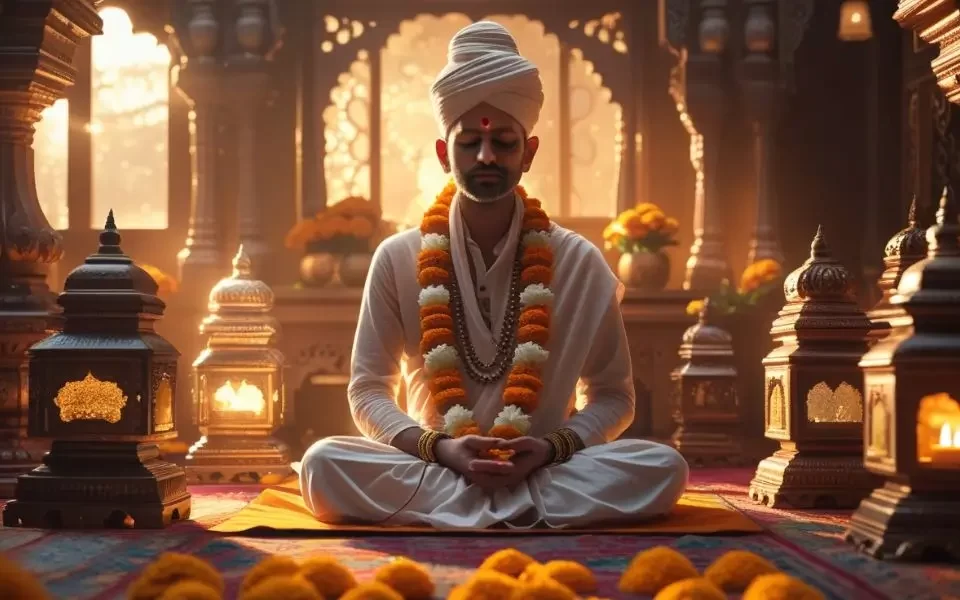
How to learn basic Vedic chanting from a pandit
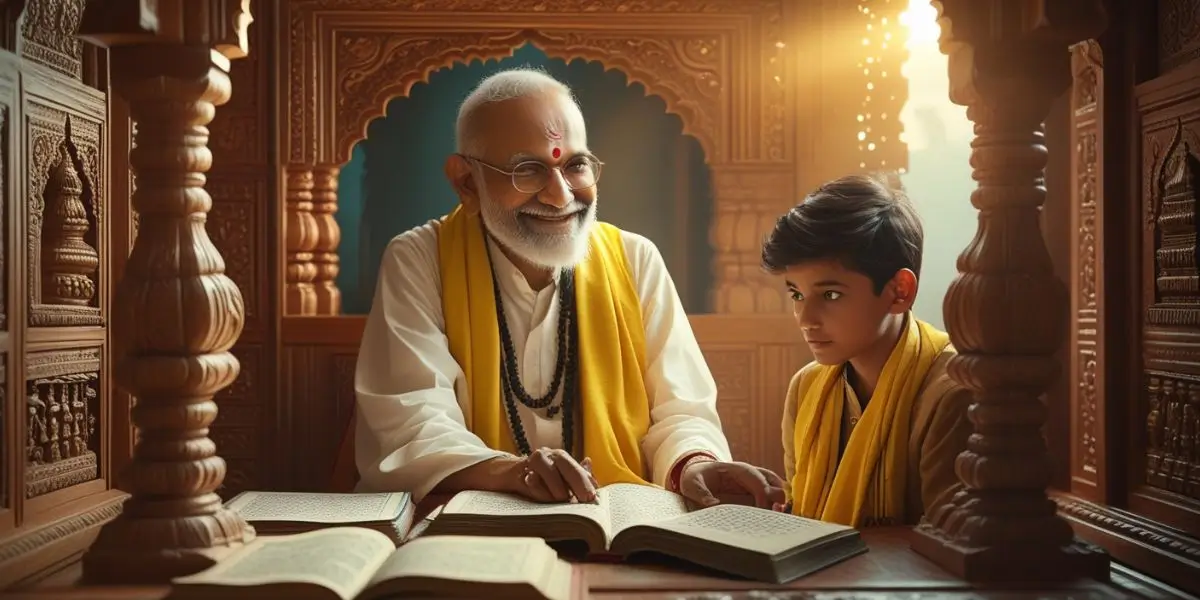
Have you ever sat in a temple, completely lost in the deep, rhythmic sound of Vedic chanting? It’s almost hypnotic, isn’t it? Those sacred vibrations seem to calm the mind, slow the heartbeat, and create this strange feeling of — peace.
And then comes the big question:
“Could I ever learn to chant like that?”
If you’ve asked yourself this, you’re already halfway there. The world of Vedic chanting isn’t reserved for monks or lifelong scholars. In fact, many people today — students, working professionals, and even retirees — are learning this ancient art under the careful guidance of a professional Pandit. And the benefits go far beyond just knowing a few mantras.
Chanting — More Than Just Reciting Words
Let’s start by clearing a common misconception: chanting isn’t about memorizing a Sanskrit poem and repeating it parrot-style. If that were the case, Google or YouTube would’ve replaced centuries of practice by now.
Chanting is about tuning your body and mind to ancient sound frequencies that are believed to connect directly with the universe. In Vedic tradition, sound isn’t just noise — it’s energy, intention, and sacred communication.
The Science Behind the Sound
When you chant a mantra the right way, the vibrations stimulate certain nerve points in your tongue, mouth, and throat. These subtle vibrations influence your brainwaves, leading to improved focus, emotional calm, and even physical well-being.
That’s why when you sit with a professional Pandit, they don’t just correct your pronunciation; they also help you develop the “feel” for chanting.
Why Learning from a Pandit Makes All the Difference
In a world full of apps and AI voice tutors, you might wonder — why do I need a human teacher? Good question.
Because chanting is not just about the sound; it’s about the transmission of energy. And that’s something only a skilled Pandit can pass on.
When you learn under a professional Pandit, you don’t just hear the chant — you learn about its origin, its correct posture, its purpose, and the emotion that’s meant to flow with each sound. It’s the difference between reading a love letter and feeling love.
Personal Touch, Not Just Perfect Pitch
Every learner is different. Some people struggle with pronunciation, others with rhythm, and many with breath control. A Pandit understands this and tailors the teaching accordingly. The experience becomes deeply personal, almost like a mentor guiding you through a new way of being.
And let’s be honest: trying to learn chanting from random YouTube clips is like trying to cook your grandma’s secret recipe by just staring at the photo.
The Basics You’ll Master in Your First Few Sessions
So what exactly does a beginner learn when sitting with a Pandit for chanting lessons?
1. Swar (Notes) and Uccharan (Pronunciation)
In Vedic chanting, even the slightest mispronunciation can flip the meaning of an entire mantra. Imagine singing “Twinkle, twinkle little star” and swapping one word to “scar.” Big difference, right? That’s why pronunciation is the first thing your Pandit will focus on.
2. Breath Control and Flow
Proper chanting isn’t rushed or mumbled. It follows a flow, much like waves at the beach — steady, powerful, and deeply soothing. Your breath must sync perfectly with the rhythm of the chant, and this only comes with guided practice.
3. Pauses and Emphasis
A Pandit teaches you when to pause, where to stress, and how to maintain balance between syllables, so the meaning and effect of the mantra aren’t lost.
Common Mistakes Beginners Make (and How a Pandit Fixes Them)
Like every art form, chanting comes with its share of beginner mistakes. The good news? A professional Pandit knows how to fix them.
Mistake 1: Rushing Through Without Feeling
A lot of learners try to “complete” the mantra, rather than “experience” it. Chanting isn’t a race. Your Pandit will remind you to slow down, connect, and let the sound settle into your mind.
Mistake 2: Treating Mantras Like Memorized Poems
Mantras aren’t for casual recital; they are vibrational tools. A Pandit ensures you treat them with respect and intention, so the energy flows as it should.
Mistake 3: Ignoring Posture and Ambience
Even the environment matters. Whether you sit cross-legged on the floor or on a chair, the alignment of your spine affects your chanting experience. A good teacher won’t skip these small, but important, details.
Chanting in Daily Life — A Simple Habit with Powerful Effects
You don’t need hours of free time or a deep background in Sanskrit to start chanting. Even 5-10 minutes daily can work wonders.Morning and Evening Rituals
Picture this: early morning, the world still half asleep, soft light peeking through the window — and your own voice softly chanting sacred mantras. It sets the tone for your entire day.
Likewise, chanting in the evening is like hitting a “reset” button, clearing away the stress and mental noise gathered throughout the day.Emotional & Mental Benefits
Chanting isn’t just spiritual fluff. Scientific studies have shown that repetitive sacred sounds reduce cortisol (stress hormone), balance breathing, and improve brain coherence.
In plain terms: chanting calms you down, sharpens your focus, and boosts your emotional resilience.
Your Voice, Your Sacred Journey
There’s something truly special about using your own voice to create peace within. The sounds you produce during chanting don’t just bounce off the walls — they echo inside you, rebalancing your inner world.
And no, you don’t need a “perfect voice” to begin. Your Pandit will show you it’s not about the pitch, but about the heart.
Ready to Let Your Voice Join the Ancient Sound of the Vedas?
- Wondering if your voice is ‘right’ for chanting? The Vedas have waited centuries — your journey can start today.
- Curious how just 5 minutes of Vedic chanting can clear mental fog? Let’s find out together.
- Ready to transform your mornings from rushed to rooted? Discover how chanting can change everything.
We Offer These Services In Dubai
| Astrologer in Dubai | Vastu Consultant in Dubai | Pandit in Dubai |